
ETIAS Delayed Again: What Travelers to Europe Need to Know
If Europe is on your travel calendar, there’s another important update you’ll want to know about.
We’ve previously shared information about the European Travel Information and Authorization System—better known as ETIAS—the new travel authorization that will eventually be required for many visa-exempt travelers visiting Europe.
Well, the timeline has changed...again.
The European Union has removed the previously anticipated late-2026 launch timeline for ETIAS, and there is currently no firm date for when the system will officially begin.
So, What Does This Mean for Your Upcoming European Vacation?
For now, the answer is simple: There is nothing you need to do. ETIAS is not currently in operation, and the European Union is not accepting applications.
If you're traveling to Greece, Italy, France, Spain, Portugal or another participating European destination with a U.S. passport, you should continue preparing for your trip under the current entry requirements.
In other words, don't let ETIAS become one more thing on your pre-travel checklist just yet.

Why Has ETIAS Been Delayed?
ETIAS has been in development for several years and has experienced multiple changes to its anticipated launch date. The system is connected to Europe's broader effort to modernize and strengthen its border-management systems, including implementation of the Entry/Exit System (EES). Because these systems involve multiple countries, border authorities and technology platforms working together, the rollout has taken longer than originally anticipated.
European officials have indicated that travelers will receive advance notice before ETIAS becomes operational, so this isn't something that should suddenly appear as a requirement days before your European vacation.
What Will ETIAS Eventually Require?
Once ETIAS officially launches, it will apply to visa-exempt travelers from the United States, Canada and numerous other countries who are traveling to participating European countries for short stays. ETIAS is not a visa. It will be an electronic travel authorization linked to your passport.
Under the currently published requirements:
The application fee will be €20 for most applicants.
Travelers under age 18 and over age 70 will be exempt from paying the application fee, although they may still need an ETIAS authorization.
An approved ETIAS authorization will generally remain valid for three years or until the passport used for the application expires, whichever comes first.
Travelers will generally be able to make multiple short-term visits during the authorization's validity, subject to Europe's applicable stay limitations.
ETIAS will eventually apply to travel to 30 European countries, including popular destinations such as Greece, France, Italy, Spain and Portugal.
One important reminder: an ETIAS authorization will be connected to the passport used when you apply. If you receive a new passport, you will need a new ETIAS authorization.
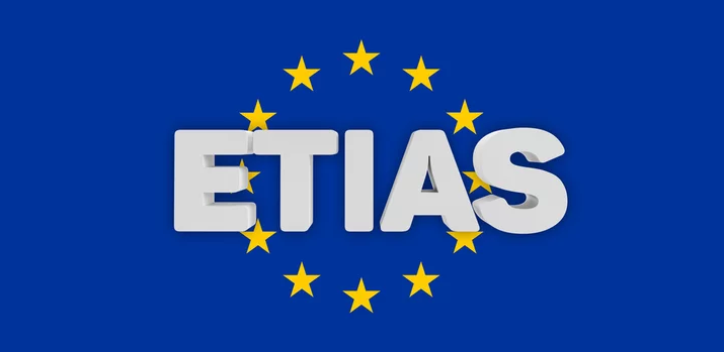
Be Careful of ETIAS Scams
This is especially important right now. You cannot currently apply for ETIAS. No official ETIAS applications are being accepted, so be cautious if you come across a website offering to "secure," "reserve" or "pre-register" your ETIAS authorization. There is no reason to pay anyone for an ETIAS application right now.
When the program officially opens, travelers will be able to apply through the European Union's ETIAS website or mobile application.
What Should You Do If You're Traveling to Europe in 2026 or 2027?
Continue planning your trip. Make sure your passport meets the entry requirements for the countries you're visiting, stay informed about any changes to European border procedures, and don't purchase an ETIAS authorization from an unofficial website.
Most importantly, don't panic every time you see a new ETIAS headline. Travel requirements change. That's part of international travel—and it's also one of the reasons working with a professional travel advisor can make the journey a little more effortless.
And if Europe is still on your travel wish list for 2027, it should be. In fact, we'll be heading to Greece in May 2027 for Under Aegean Skies™, our curated journey through Athens, Mykonos and Santorini. While our travelers focus on experiencing the beauty, culture and magic of Greece, we'll be keeping an eye on ETIAS and any other entry requirements that may affect their journey.
At Life Luxe Travel, we monitor changes that may affect our travelers so you don't have to spend your time sorting through conflicting information online. When Europe announces an official ETIAS launch date and applications actually open, we'll let you know what has changed, who needs to apply and exactly what you'll need to do.
So, whether you're joining us in Greece or planning another European adventure, there's no reason to put those travel plans on hold.
Until then?
Keep Europe on your travel list. We'll keep ETIAS on ours.

Travel requirements can change at any time. Travelers should always verify current entry requirements for their destination before departure.